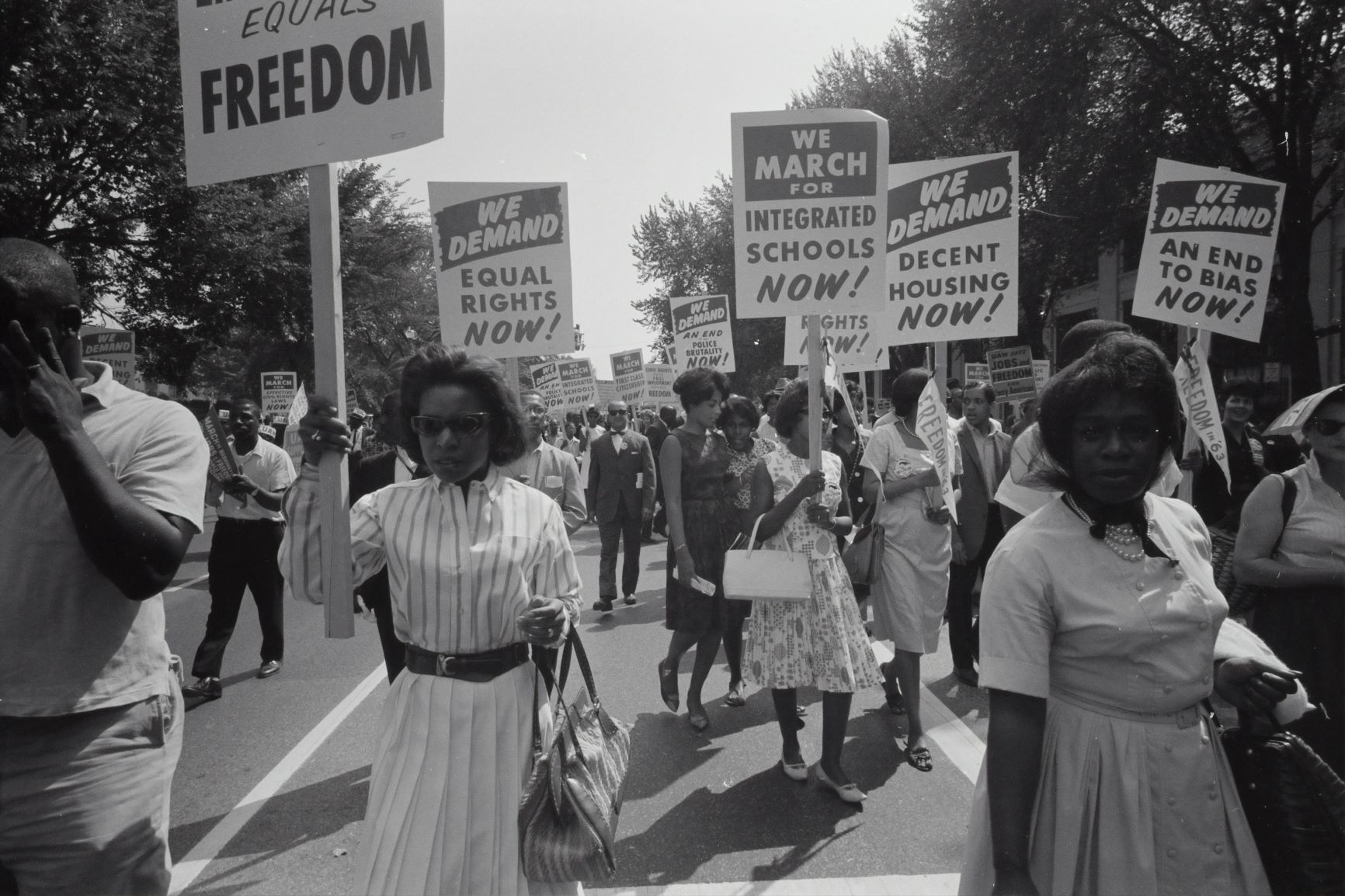
Expendable Lives and COVID-19
Medical neocolonialism does not exist in a vacuum. It is tied to the presumed expendability of Black life.
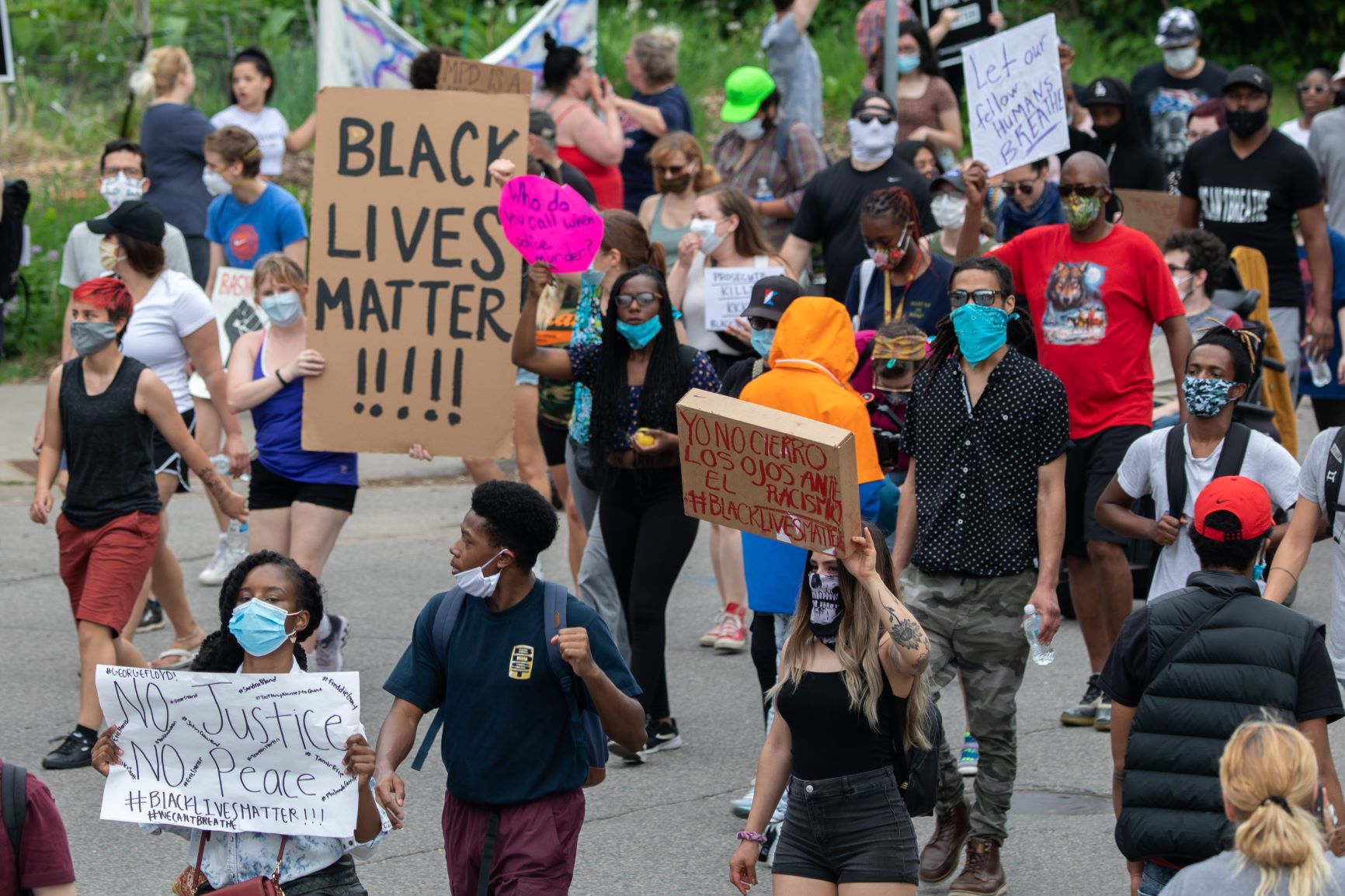
Medical neocolonialism does not exist in a vacuum. It is tied to the presumed expendability of Black life.
The COVID-19 pandemic has highlighted the tradeoffs at stake for Black, Indigenous, and people of color (BIPOC) seeking reliable health advice.

Too often, policies and practices in schools that create and compound health inequities are narrated as falling outside health law and policy.

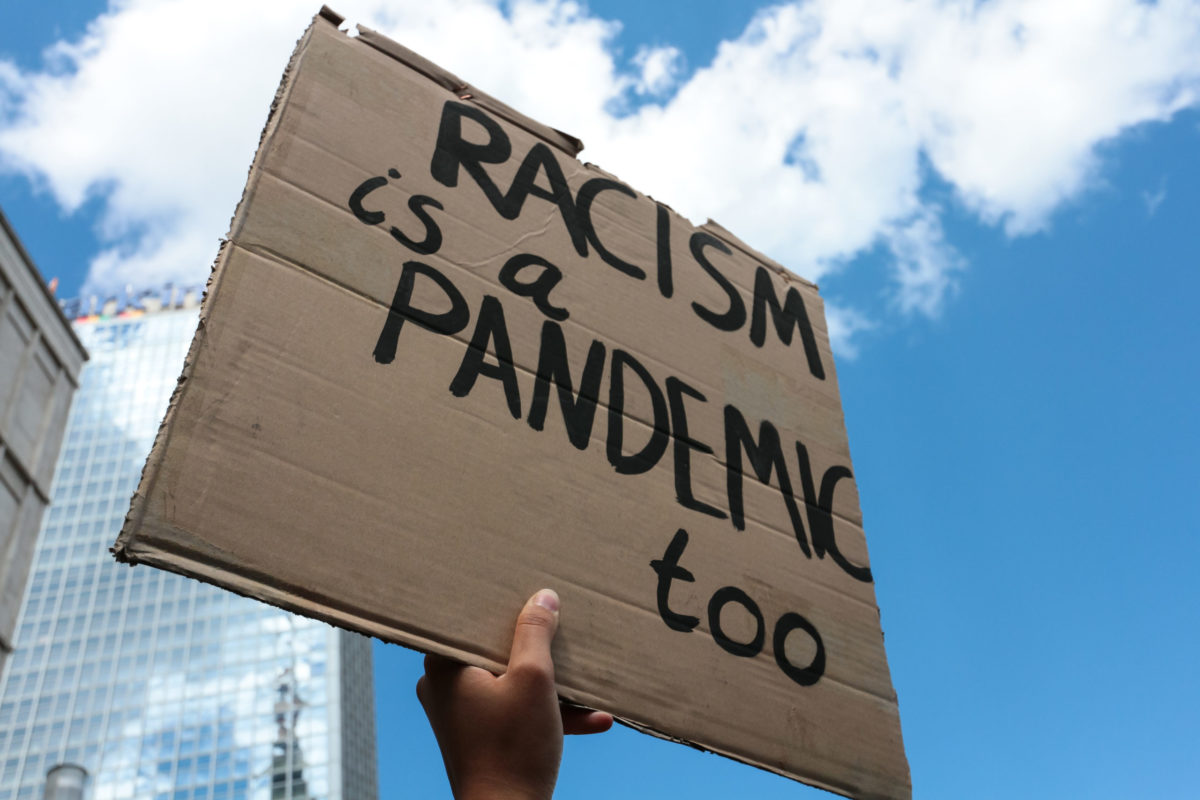
During the COVID-19 pandemic, instead of trying to extinguish racist attitudes, the Trump administration has spearheaded ways to “other” Asian Americans.
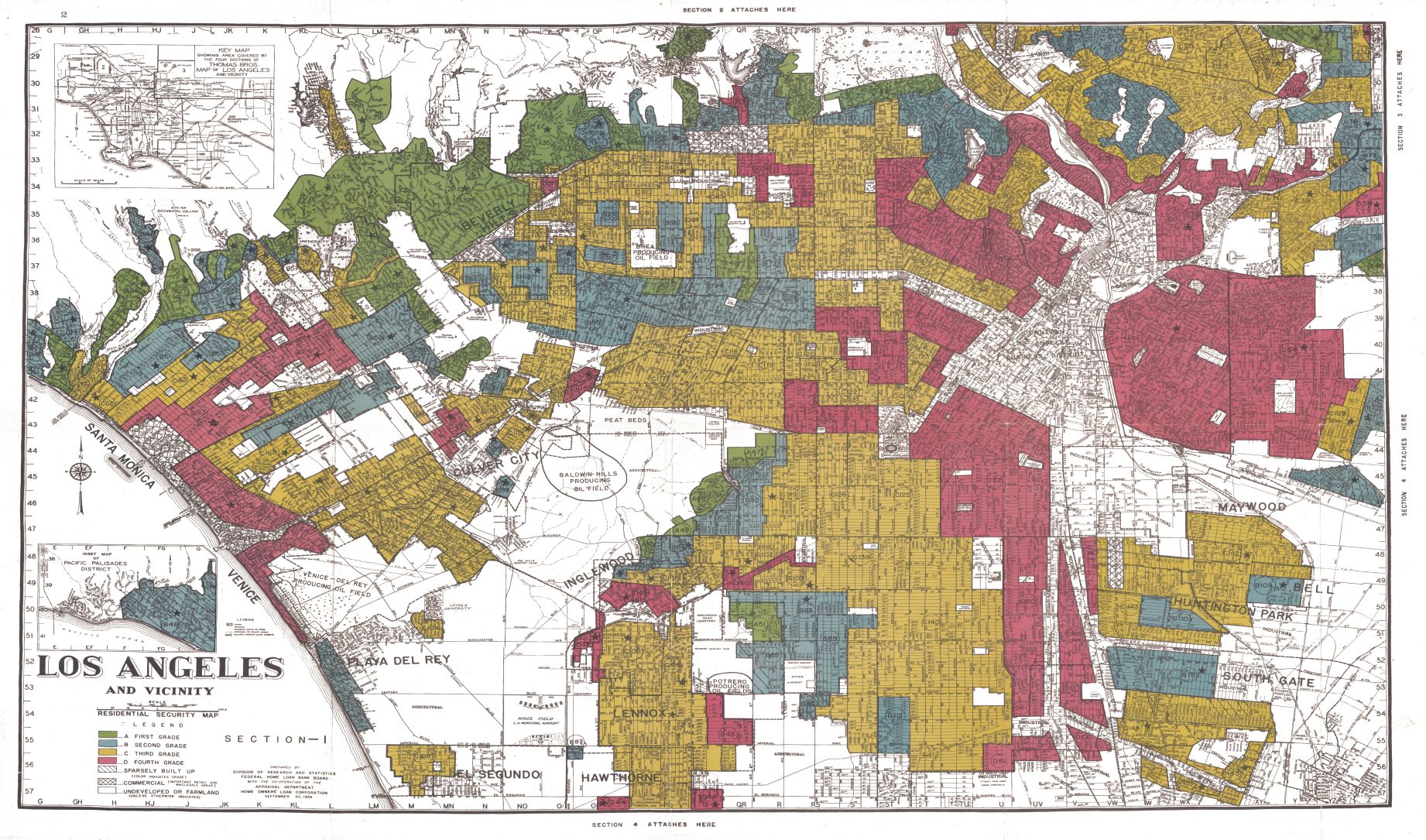
Social, economic, and environmental factors account for the vast majority of health outcomes. And housing encompasses many of these factors.
Debates exist over whether structural racism is a social determinant of health, and whether dismantling it is within the scope of public health law.
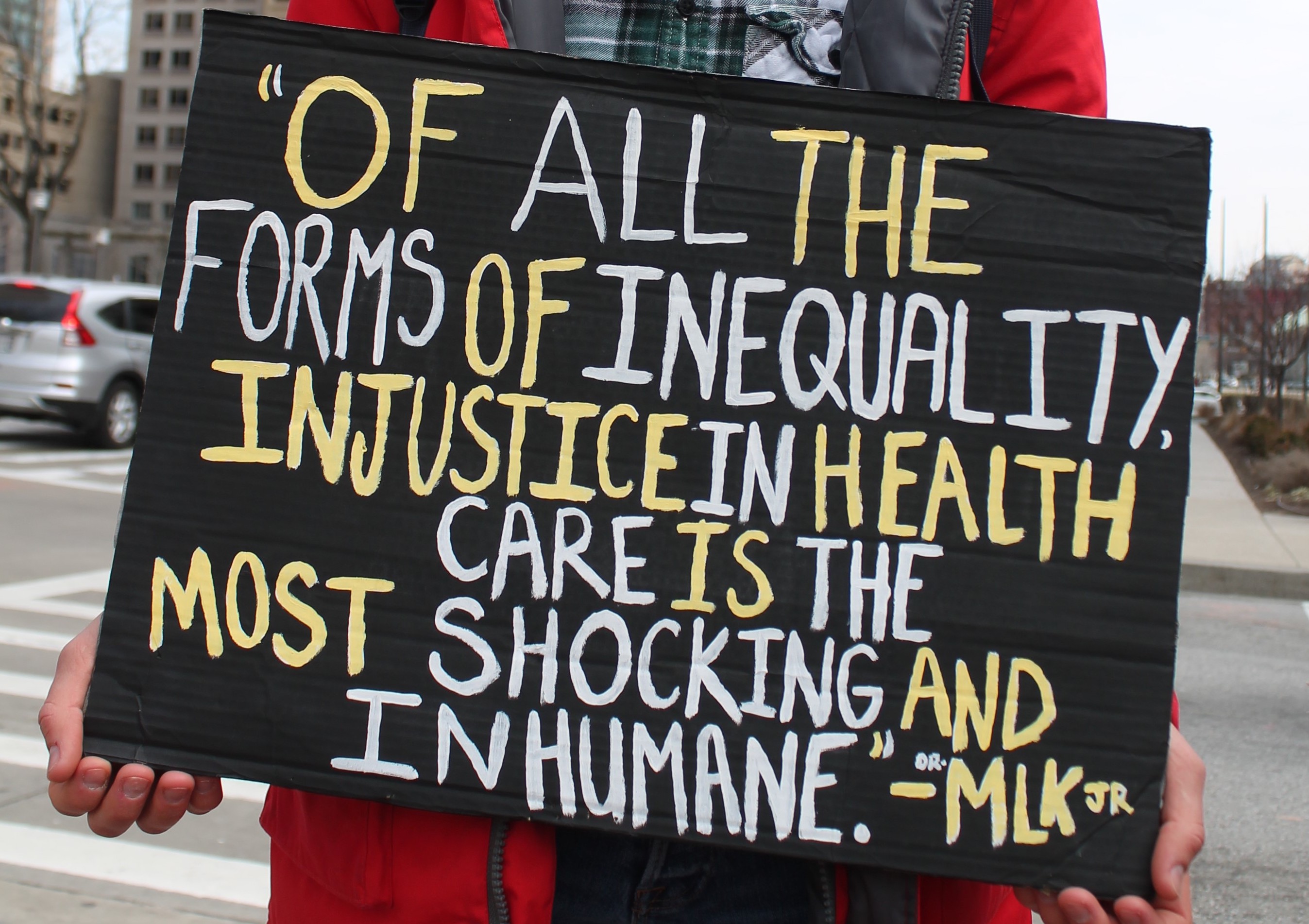
Considering the cross-cutting nature of racism as a social determinant of health, medical-legal partnerships can and should address it directly.

Scholarship on the social determinants of health is missing an account of how communities change the legal environments that produce poor health outcomes.
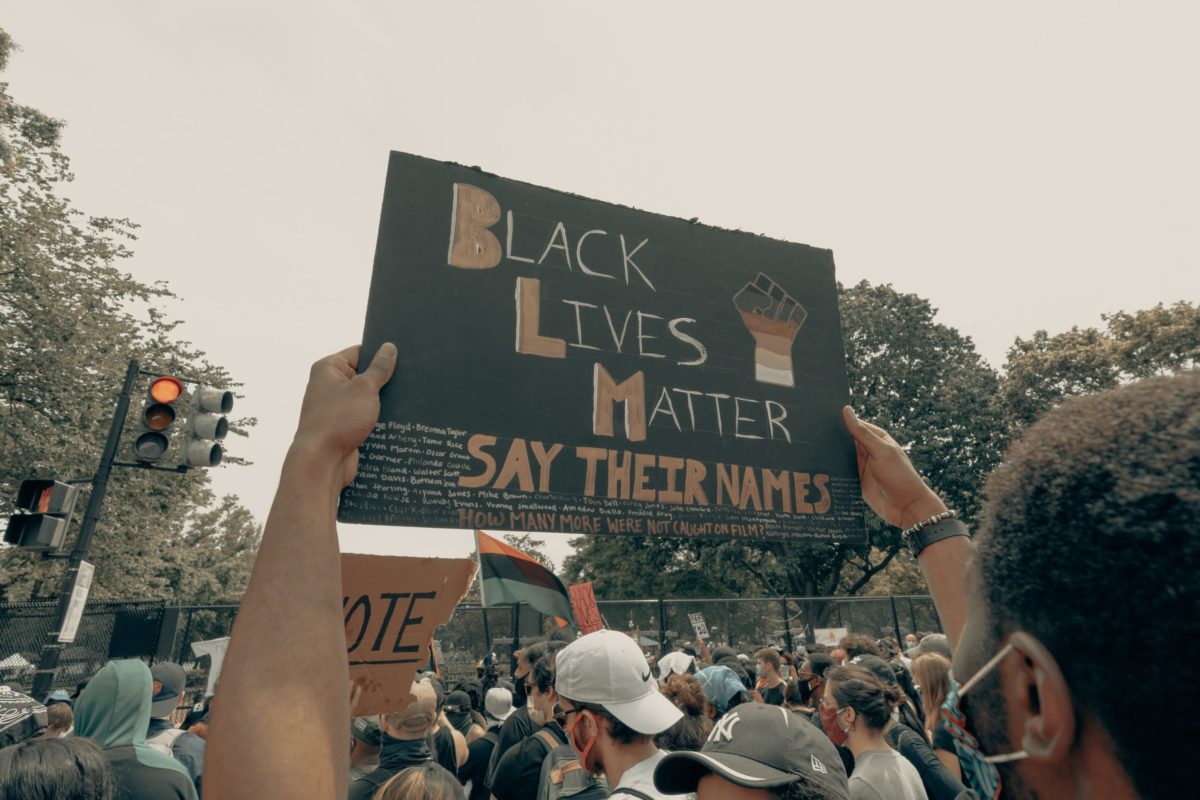
African Americans know, perhaps the most, what it means to be the first to be heavily recruited yet neglected by biomedicine.

Government and public health officials must aggressively work to end structural racism and revise laws that create racial inequalities.