
Climate Change and Pregnancy: Policies for Impact
The ongoing, worsening environmental crisis is exacerbating negative pregnancy outcomes associated with climate change.
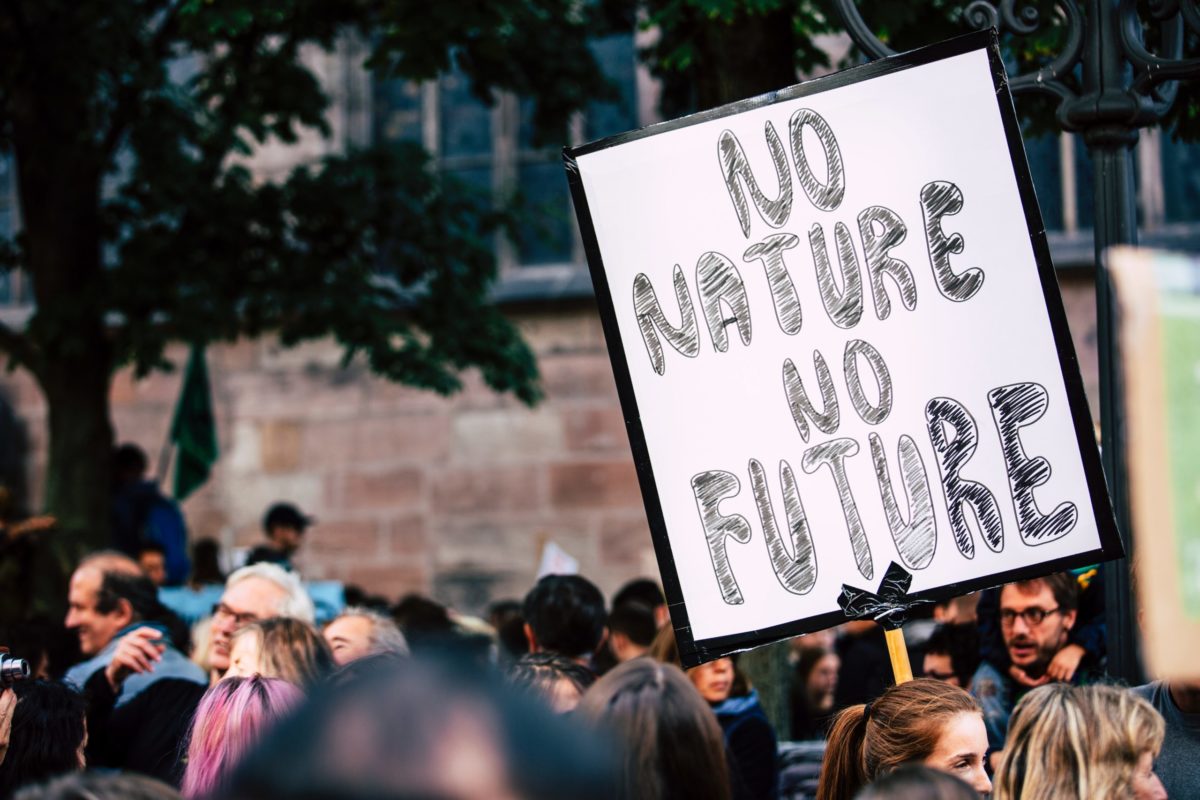
The ongoing, worsening environmental crisis is exacerbating negative pregnancy outcomes associated with climate change.
Alicia Ely Yamin (Petrie-Flom Center Senior Fellow), will now serve as the Senior Advisor on Human Rights at Partners In Health (PIH).
Coronavirus is an acute problem at the individual level, but nationally it represents a chronic concern.
By Shelly Simana Gene editing technologies enable people to directly change their DNA sequence by adding, removing, or replacing DNA bases. Today, for the first time, as Jennifer Doudna and Samuel Sternberg announced in their book, A Crack in Creation: Gene Editing and the Unthinkable Power to Control Evolution, people “possess the ability to edit not only…

By Nicole Negowetti Sustainably feeding a growing population with healthy diets is a pressing global challenge. The role of meat in such diets is a deeply contentious issue that has public health, animal welfare, food systems, farming, and environmental experts and advocates weighing in on the issue. As we learn more about the impacts of…
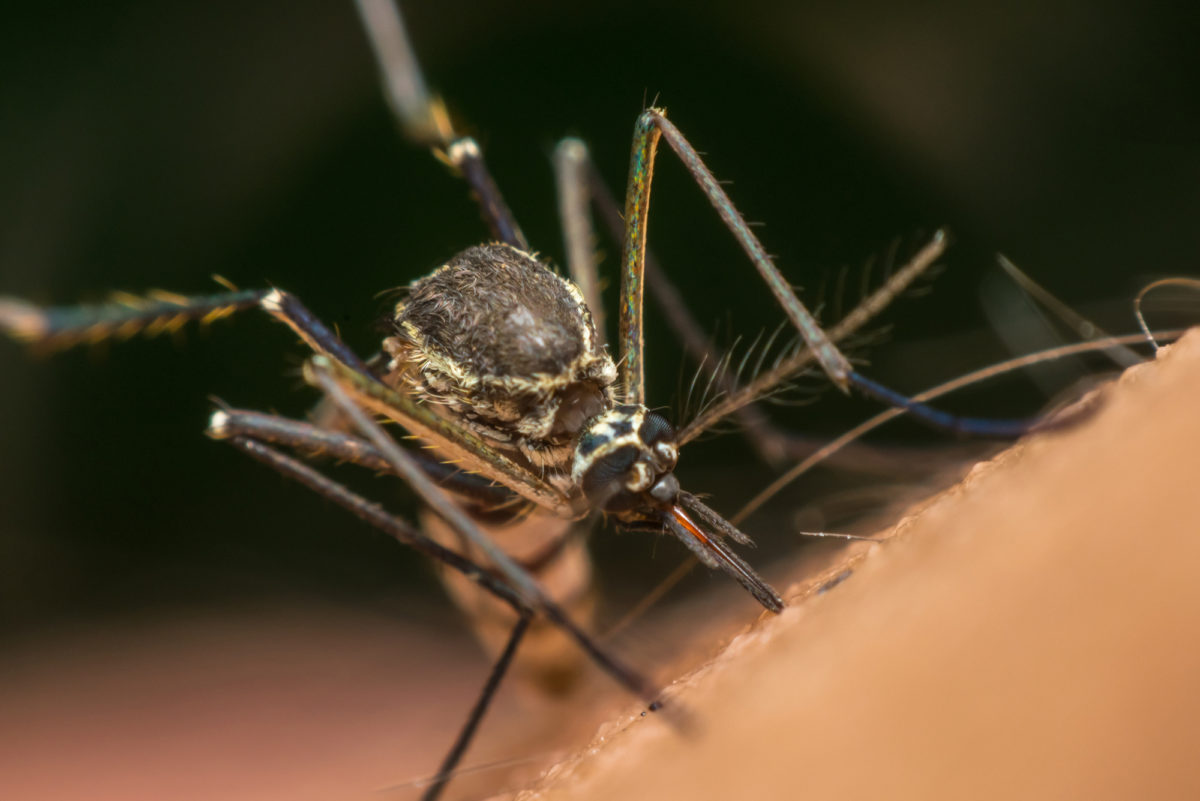
Despite being curable, and eliminated from most developed countries, malaria is the fifth deadliest infectious disease in the world. Gene drives could change that. Let’s give it a try.
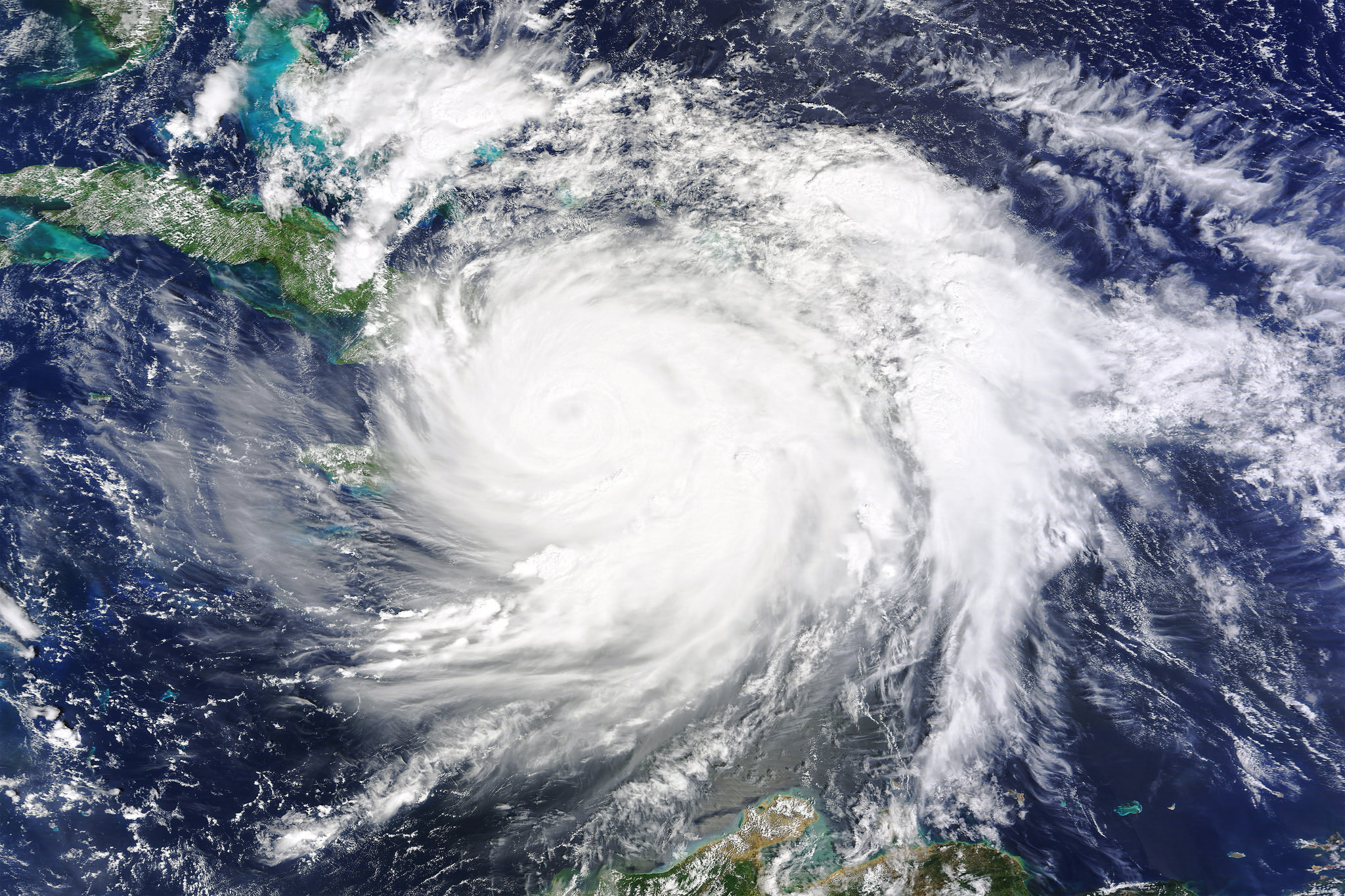
Imagine “climate editing” — a potential massive future network of precise, local, and mutually-coordinated interventions.
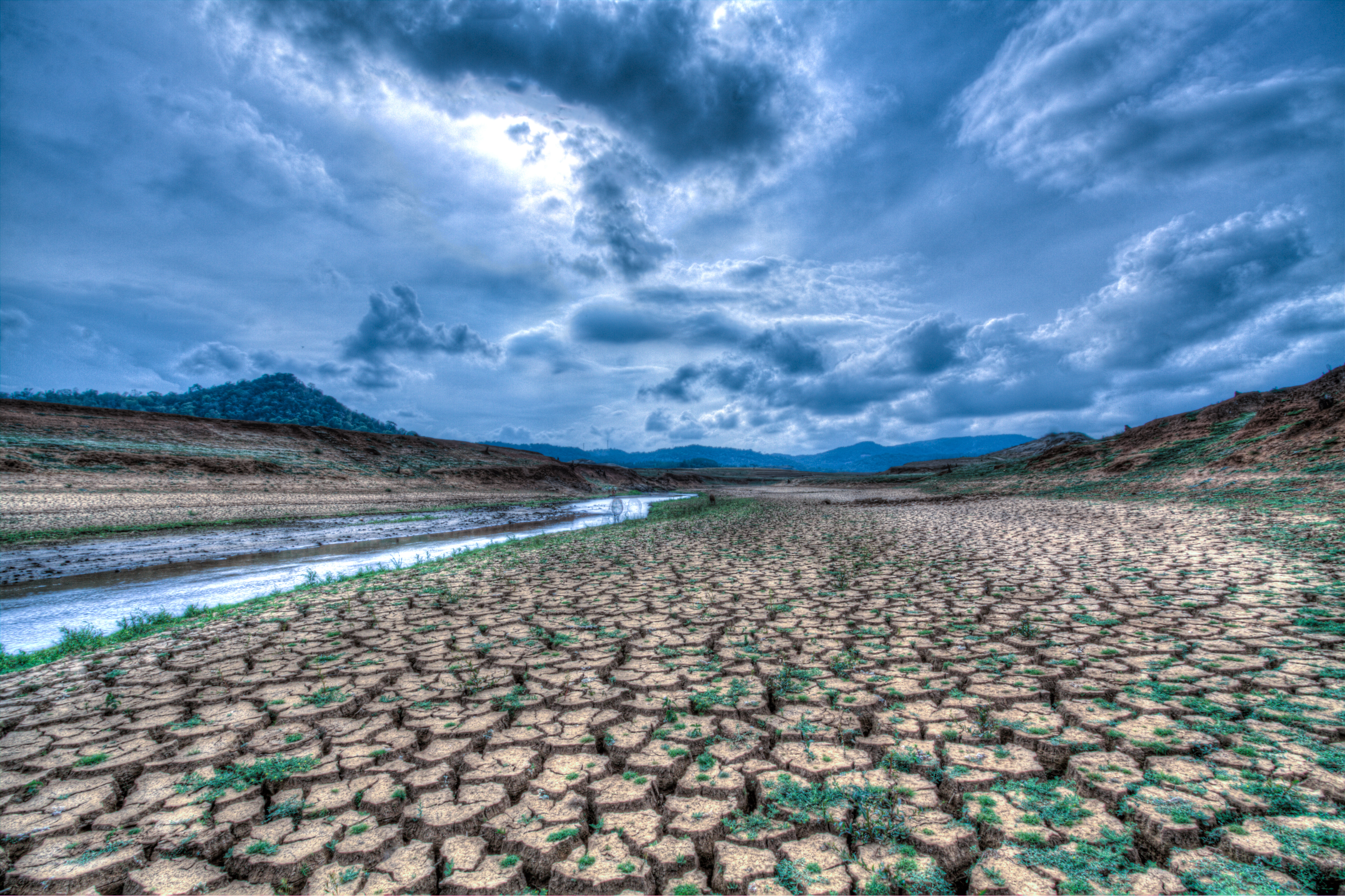
If America were my patient, I would say that while the health diagnosis of climate change is grave, there is reason to be optimistic — because treatment exists.
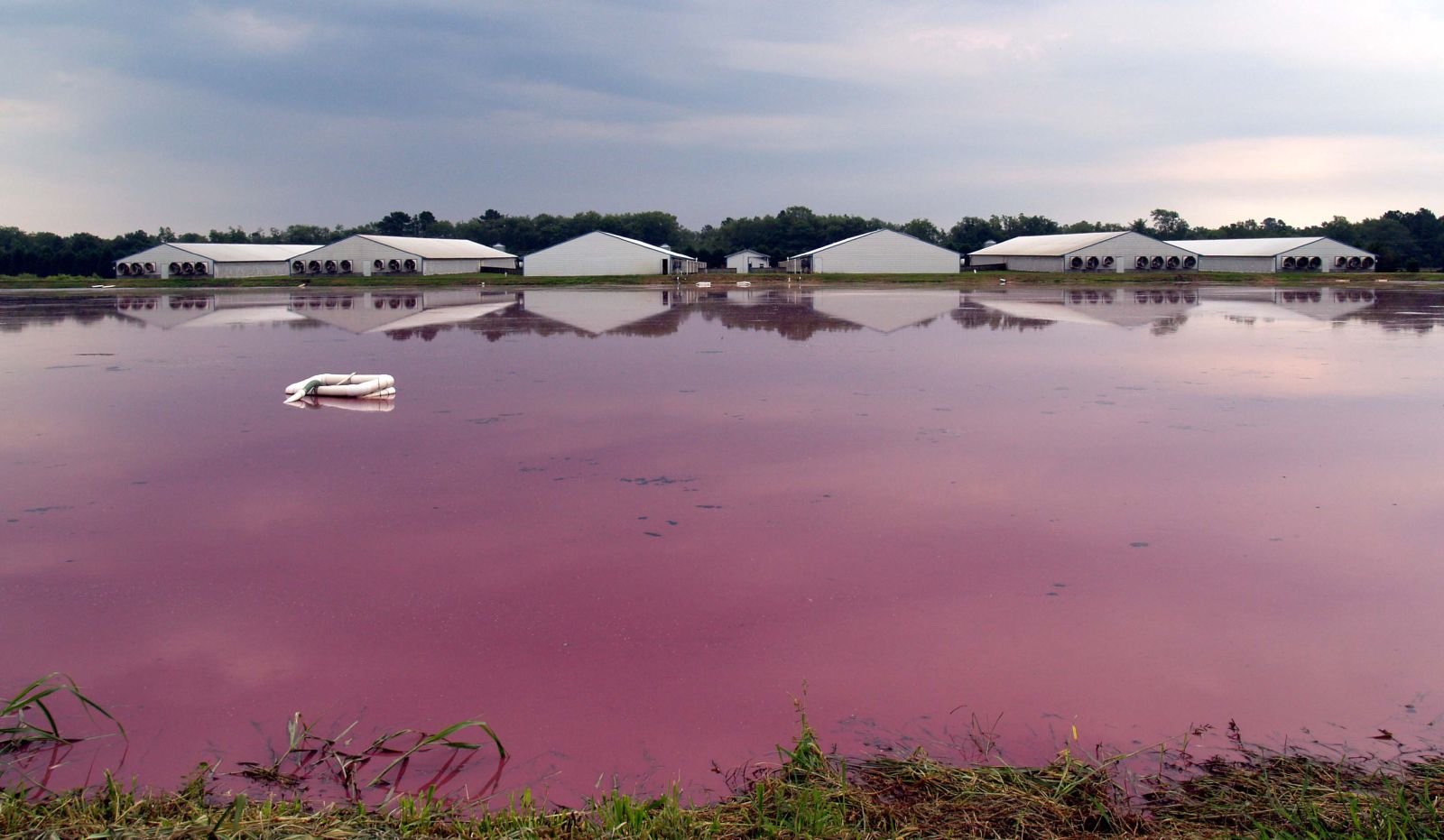
By Alexandra Slessarev Among the coverage of the aftermath of Hurricane Florence, news stories about the overflowing waste from North Carolina pig lagoonswere among the most stomach-turning. North Carolina is home to a slew of concentrated animal feeding operations, or CAFOs, and these industrial livestock farming operations often involve storing massive volumes of pig manure…
By Yusuf Lenfest With few exceptions, most cultures put homo sapiens at the center or the apex of creation. Humans, it is generally believed, are distinguished from other animals by our self-awareness and our ability to use tools, to think, reason, and construct meaning and representations about life. The Abrahamic religious traditions are most notable…