To Promote Health Equity, States Must Restrict Police Intervention in Mobile Crisis Response
The implementation of 988, a national mental health crisis hotline, should center non-police responses to behavioral health emergencies.

The implementation of 988, a national mental health crisis hotline, should center non-police responses to behavioral health emergencies.
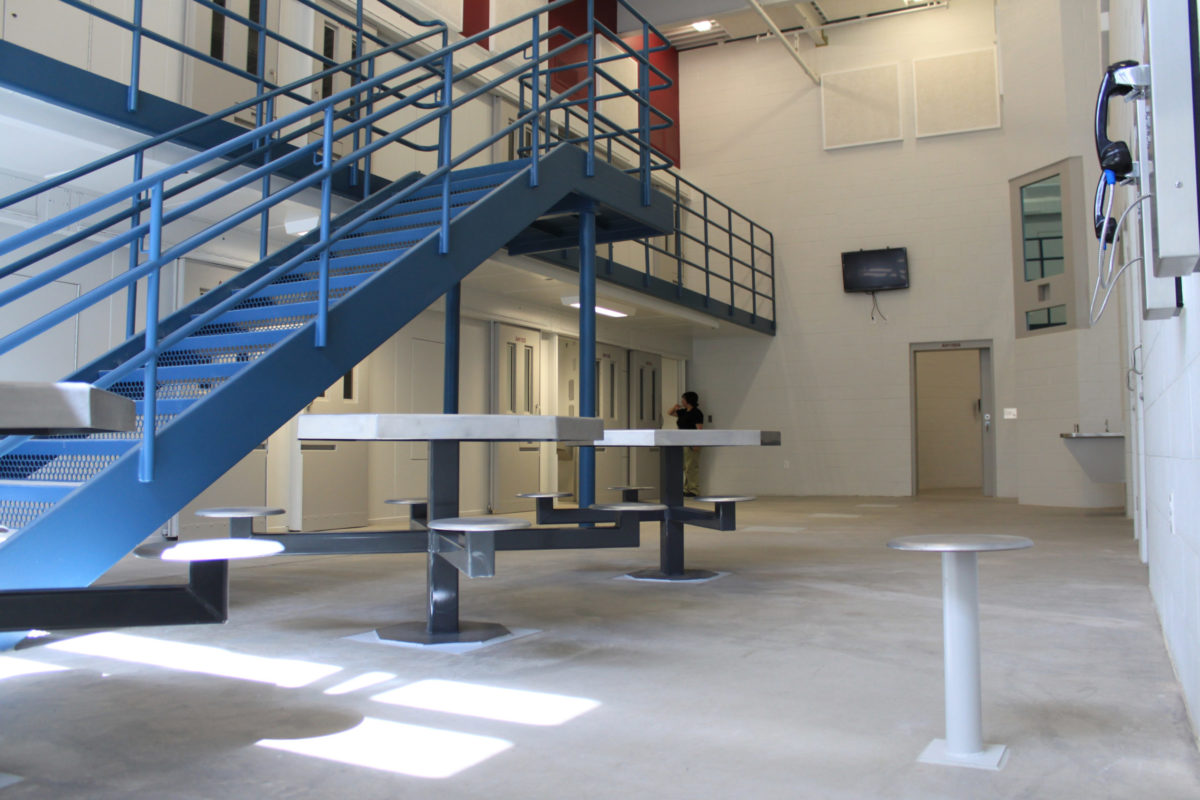
Incarcerated individuals need health care, but punitive policies make securing access to care particularly difficult among this population.

U.S. incarcerated populations have long dealt with chronic sleep deprivation, often with little to no reprieve.
On Tuesday, Washington State legislators filed a bill that would legalize the supported adult use of psilocybin by people 21 years of age and older.

Placing community first and allowing them to drive solutions-based strategies is imperative to the health justice movement.

What if squad cars and SWAT teams were the last line of response to social dysfunction, rather than the first?

Where a health state is intertwined with carceral logics, enforcement becomes coercive.
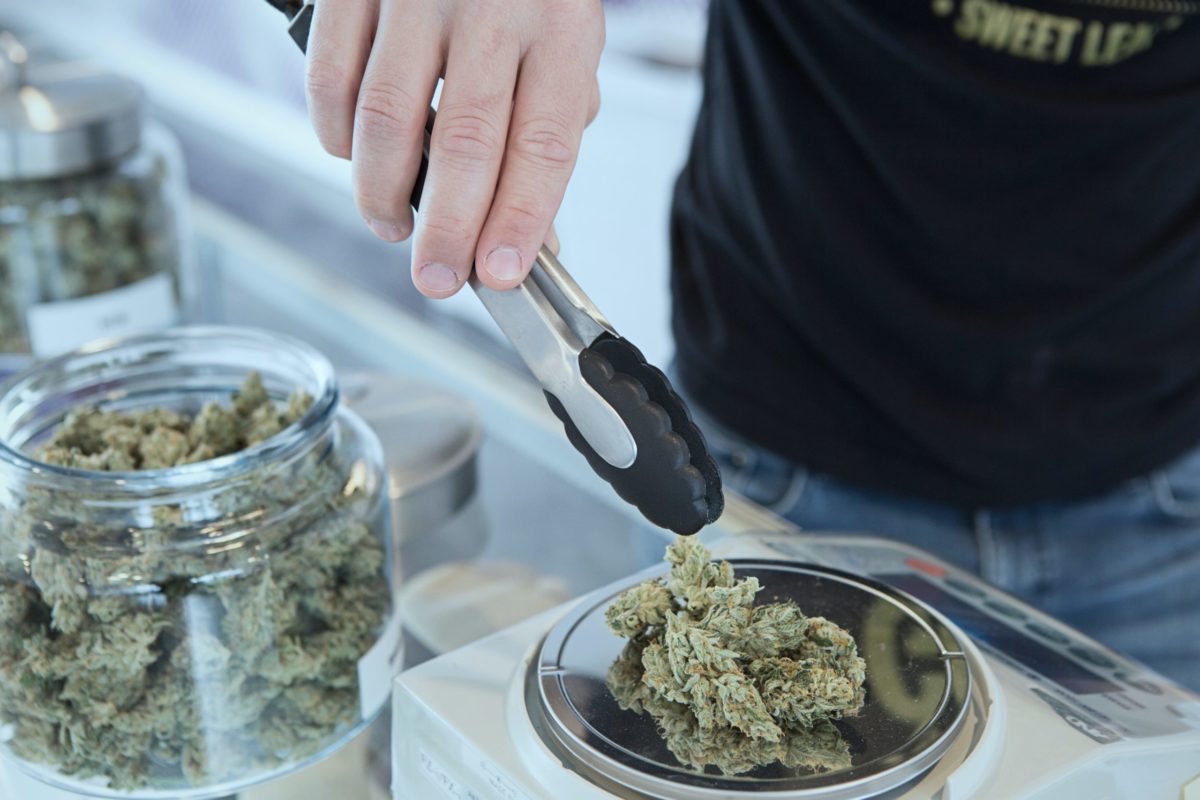
The Biden Administration has the opportunity to be the first administration to rid our legal system of cannabis regulation chaos.
The pandemic showed that community-based supports can foster safety and accountability without requiring state intervention.

Collective movement struggles during the twin crises of COVID-19 and the 2020 uprisings have helped blur the concepts of public safety and public health.