What the Law and Bioethics Tell Us About Synthetic Human Embryos
A synthetic embryo can now be constructed without an egg or sperm. This throws a moral monkey-wrench into current restrictions on embryonic research.
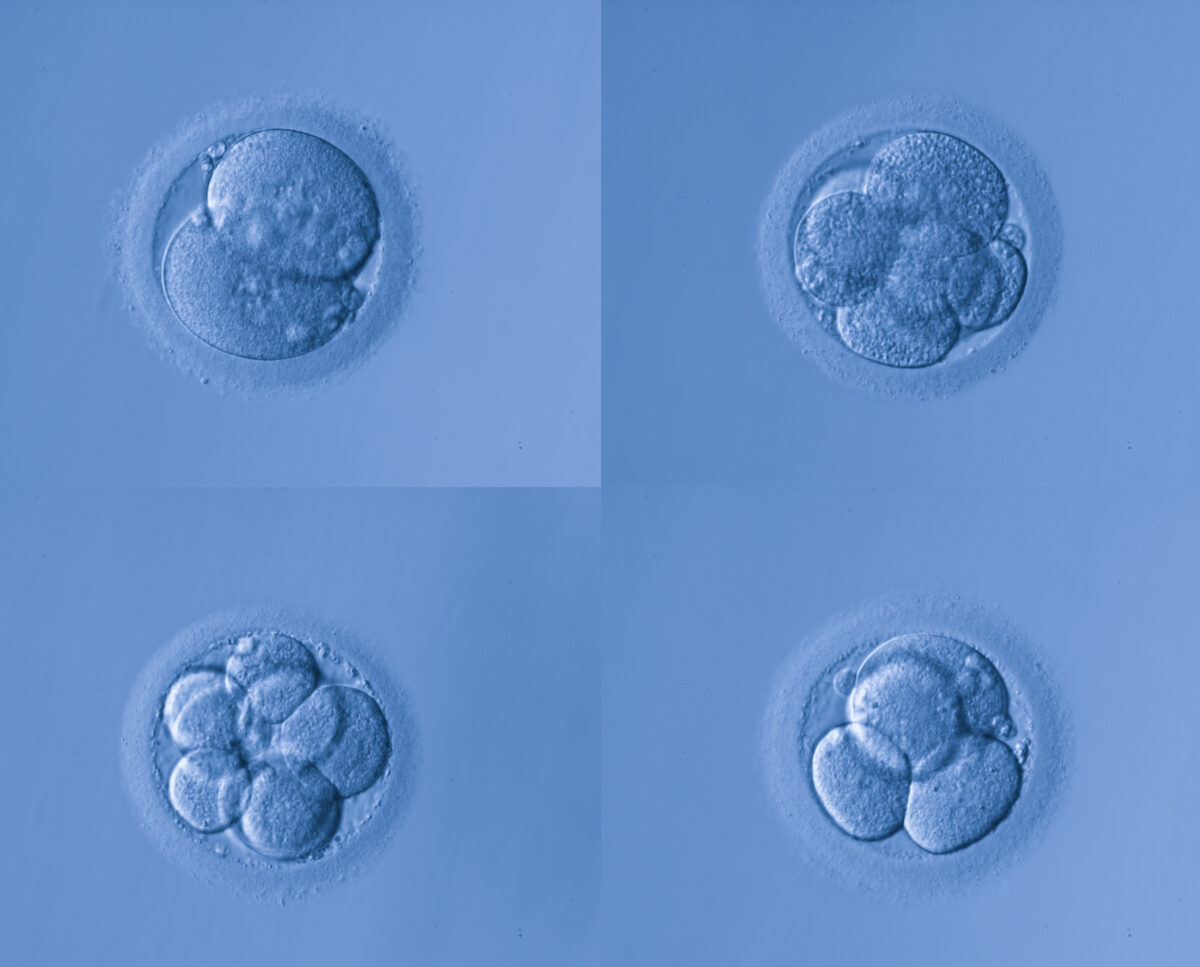
A synthetic embryo can now be constructed without an egg or sperm. This throws a moral monkey-wrench into current restrictions on embryonic research.
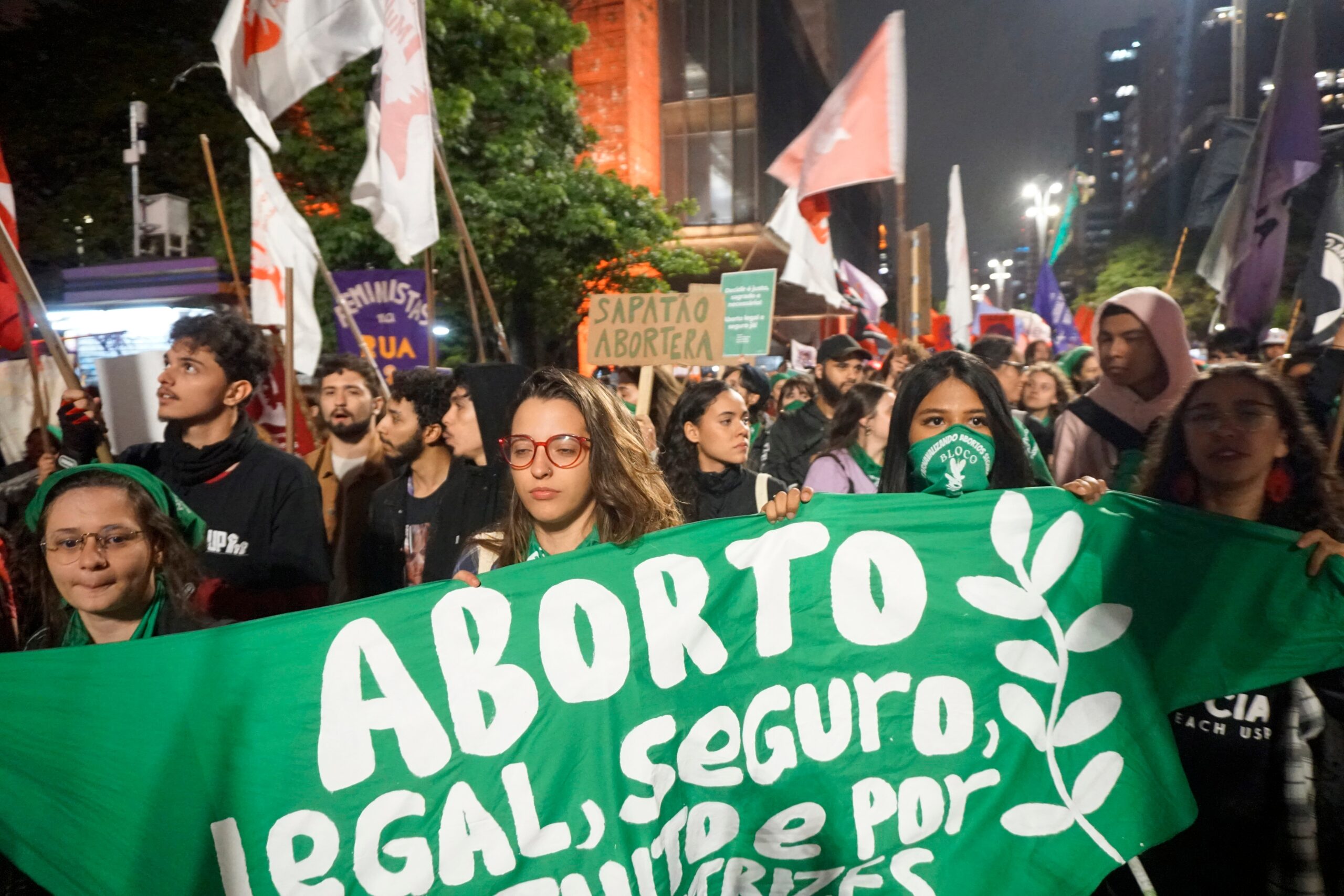
The September 28th Campaign in favor of decriminalizing abortion in Latin America remains painfully relevant over thirty years after its inception.
Illegitimate concerns should not get in the way of renewing life-saving HIV/AIDS funding for years to come.
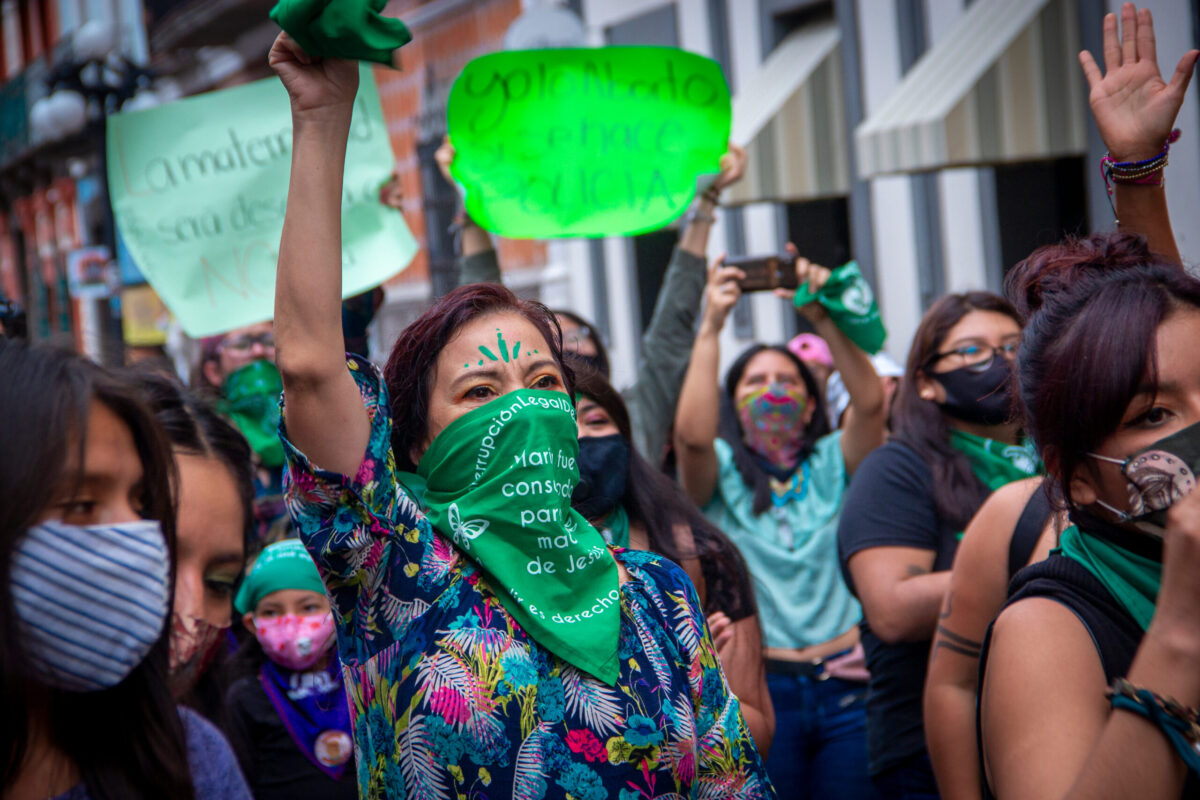
Earlier this month, Mexico’s Supreme Court issued a ruling decriminalizing abortion nationwide. This article explains what the decision holds.
Wuest highlights the contingency of scientific claims not only in LGBTQ+ advocacy but also in legal advocacy for and against abortion access.

As often as scientific evidence has advanced reproductive rights, abortion foes have used claims about scientific uncertainty to justify new restrictions.
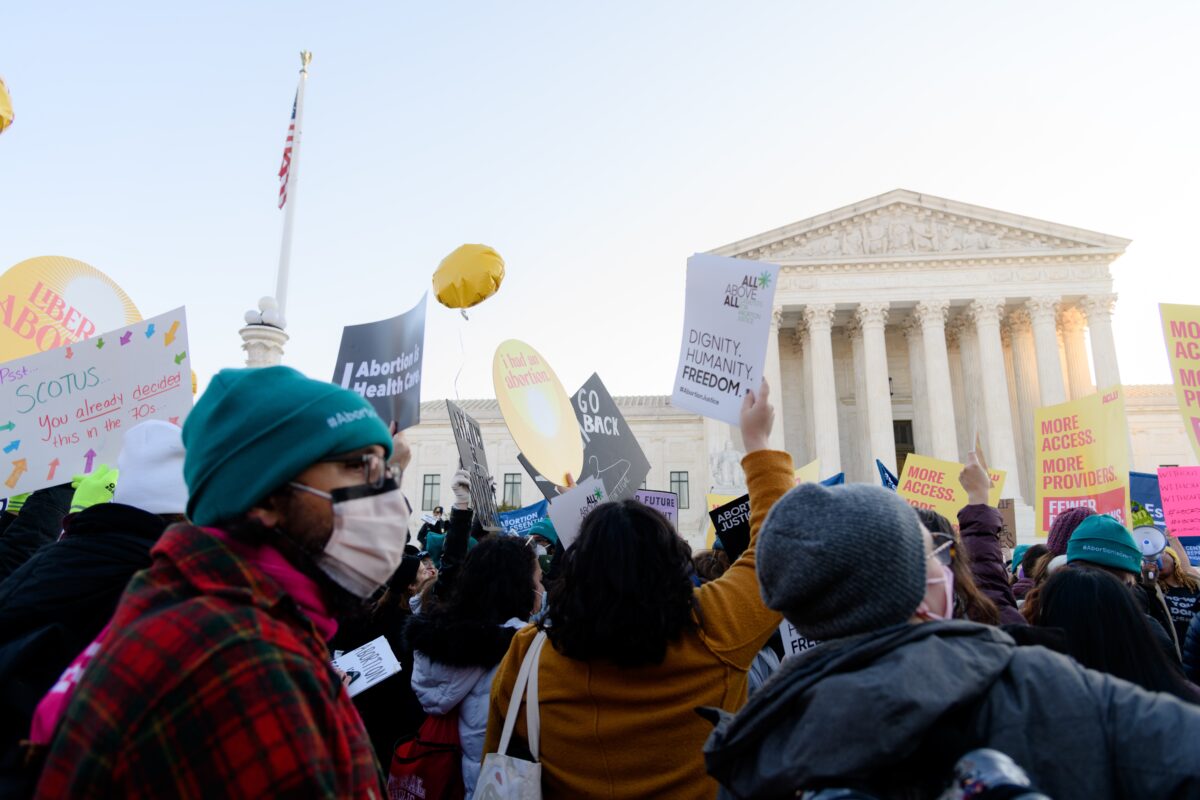
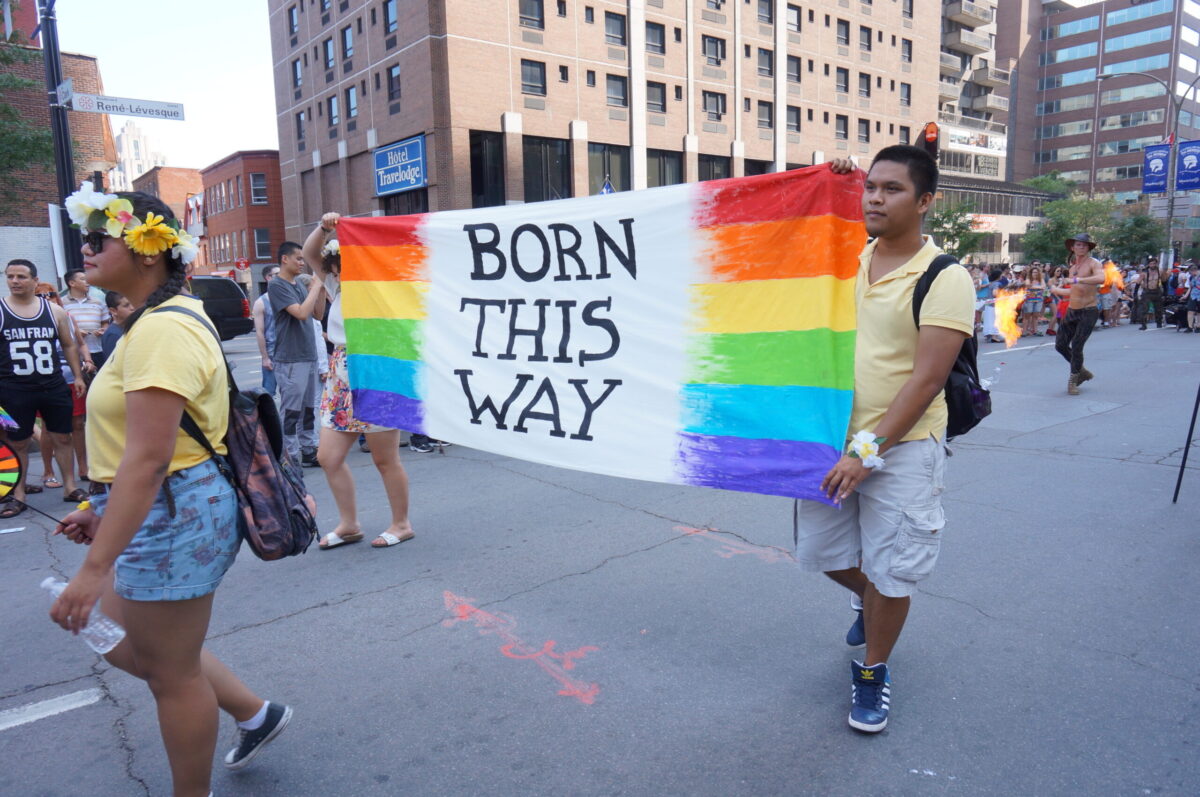
This symposium reveals uncertainty’s relevance to abortion access, the legality of gender-affirming care, intersex rights, and child custody disputes.
The practitioners most likely to provide abortion services are being asked to travel to a state with a legal regimen that is particularly hostile to them.
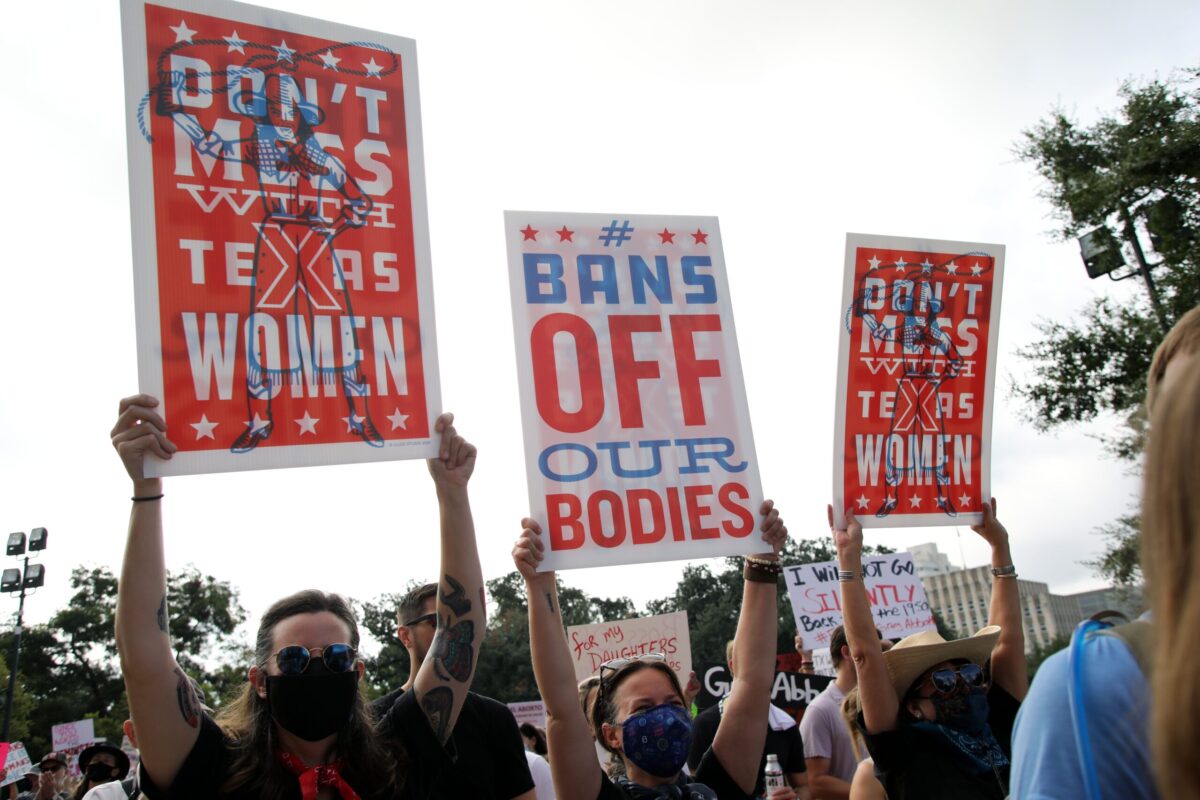
Courts must investigate alleged government justifications to avoid rubber-stamping restrictions that do nothing but harm.
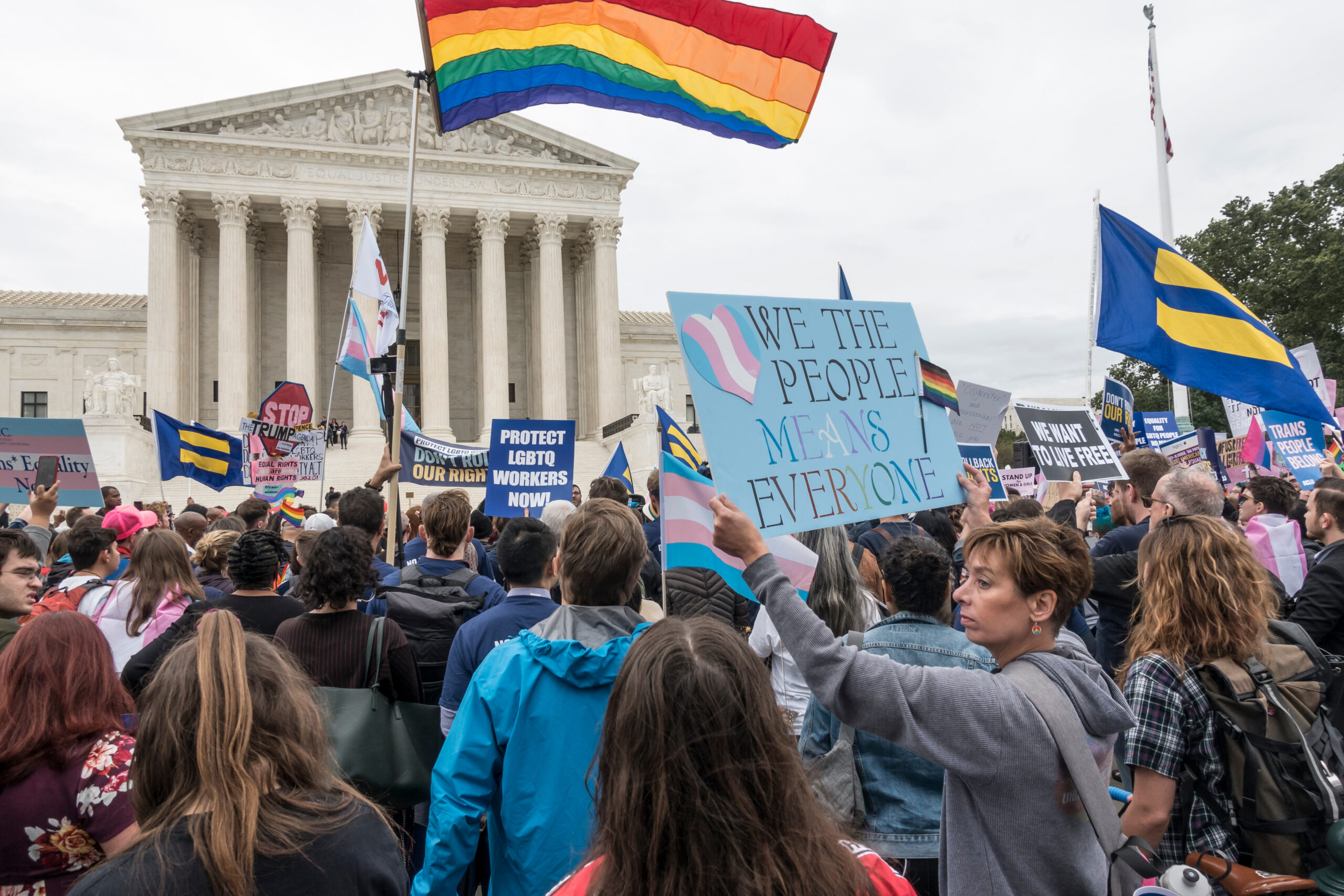
The Petrie-Flom Center’s new Executive Director, Susannah Baruch, shares about herself and her past work.