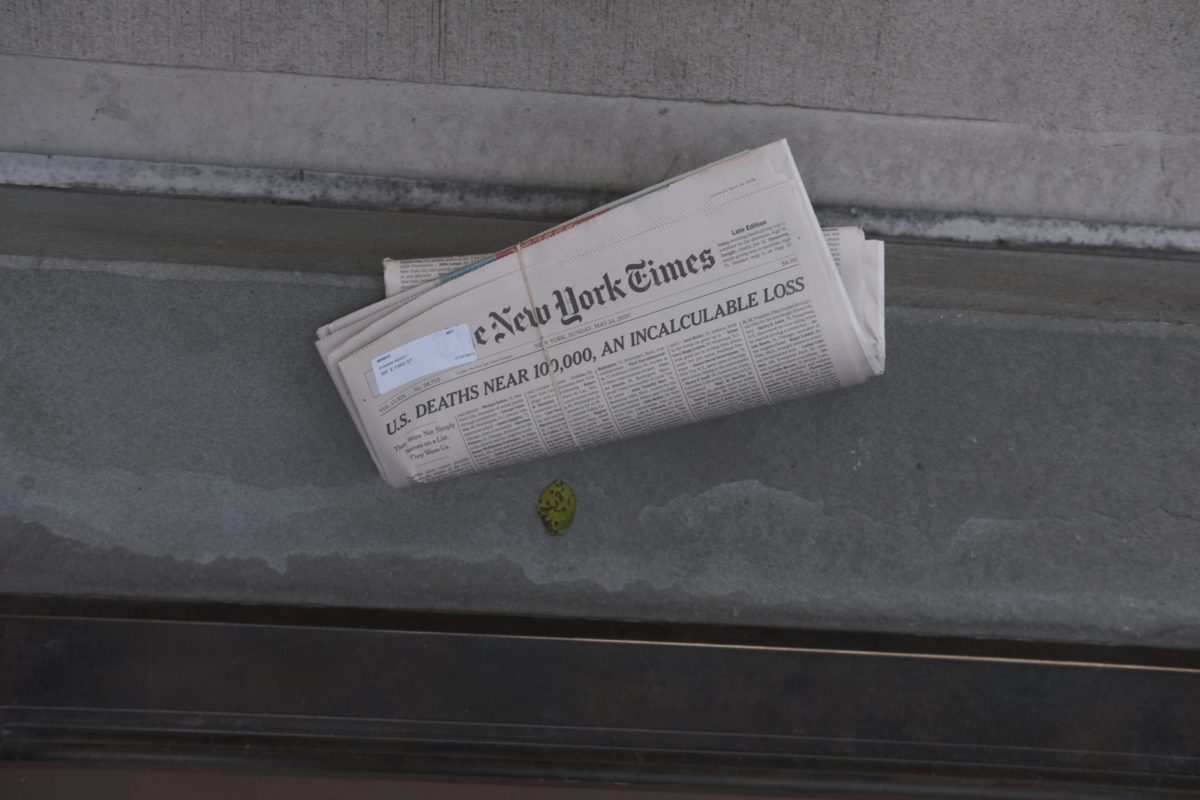
The Struggle to Survive in the Pandemic Prison
The mental health strain of increased isolation, only sporadic access to showers, and a lack of programming pushed many over the edge.
The mental health strain of increased isolation, only sporadic access to showers, and a lack of programming pushed many over the edge.
For over a year prisoners were denied our most fundamental support systems.
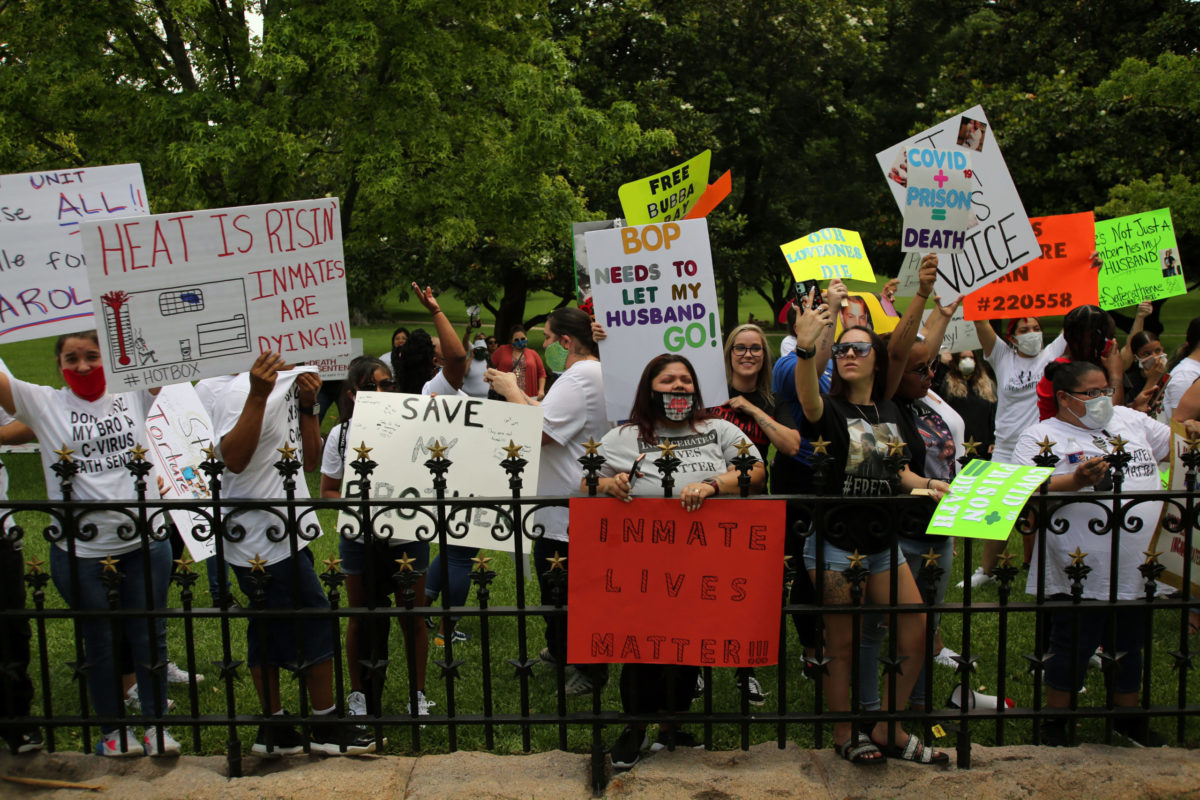
During the pandemic, disability rights have been negotiable and vulnerable to sacrifice in service of the needs of able-bodied, neurotypical people.
Elements of the early U.S. pandemic response can help us remember that the limits of what is possible are perhaps wider than we think.
Incarcerated patients’ suffering is sanctioned by hospitals and medical professionals, despite their pledge to do no harm.
No one will have learned from COVID, or any such crisis, until we undo this fundamental, toxic relationship of health to capital once and for all.
The inability of prisons and jails to address the drivers of and treat substance use disorders is leading to underexplored health ramifications.
For over a year prisoners were denied our most fundamental support systems.
I will be direct: schools that have officially departed from masking are stating an ongoing commitment to purposeful exclusion.
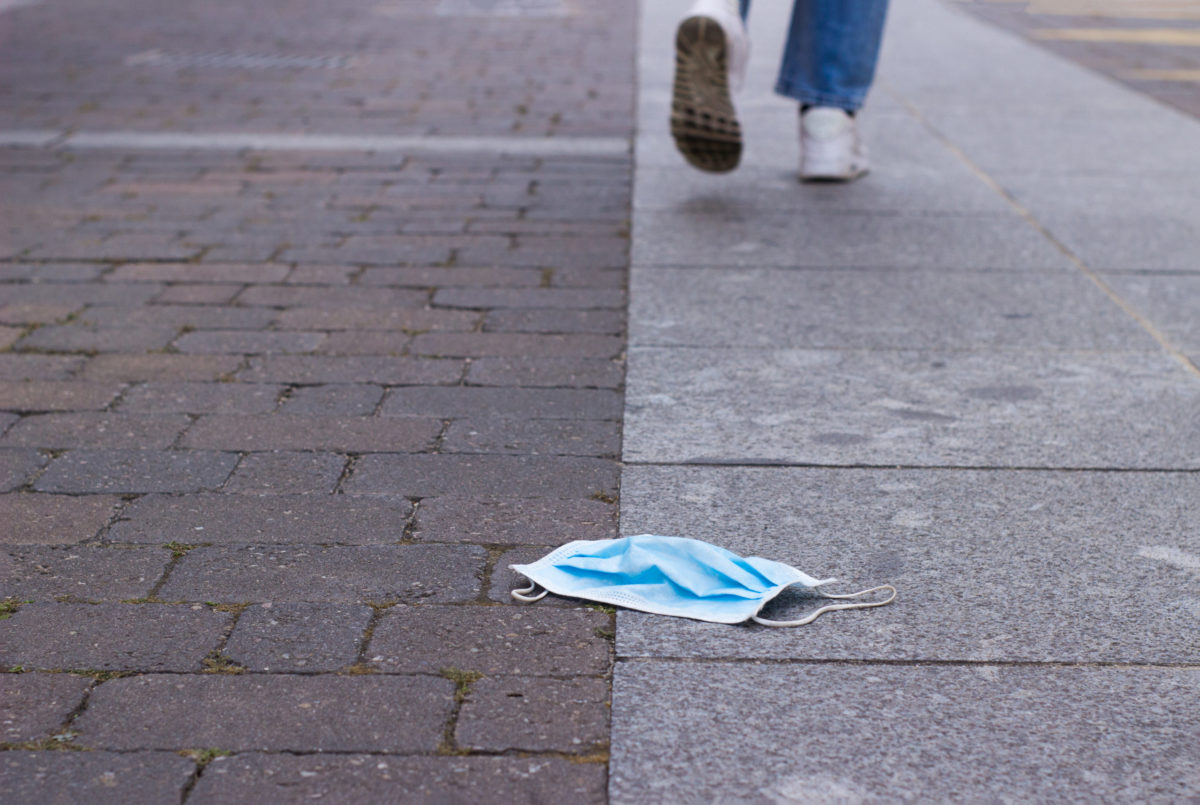
The nihilism that the Biden administration displays is both convenient and necessary for the personnel who help intensify the pandemic’s avoidable harms.