
The Supreme Court Threatens to Undermine Vaccination Decisions Entrusted to the States
The Supreme Court seems poised to say that the existence of a secular medical exemption to vaccine mandates means a state must offer a religious exemption.
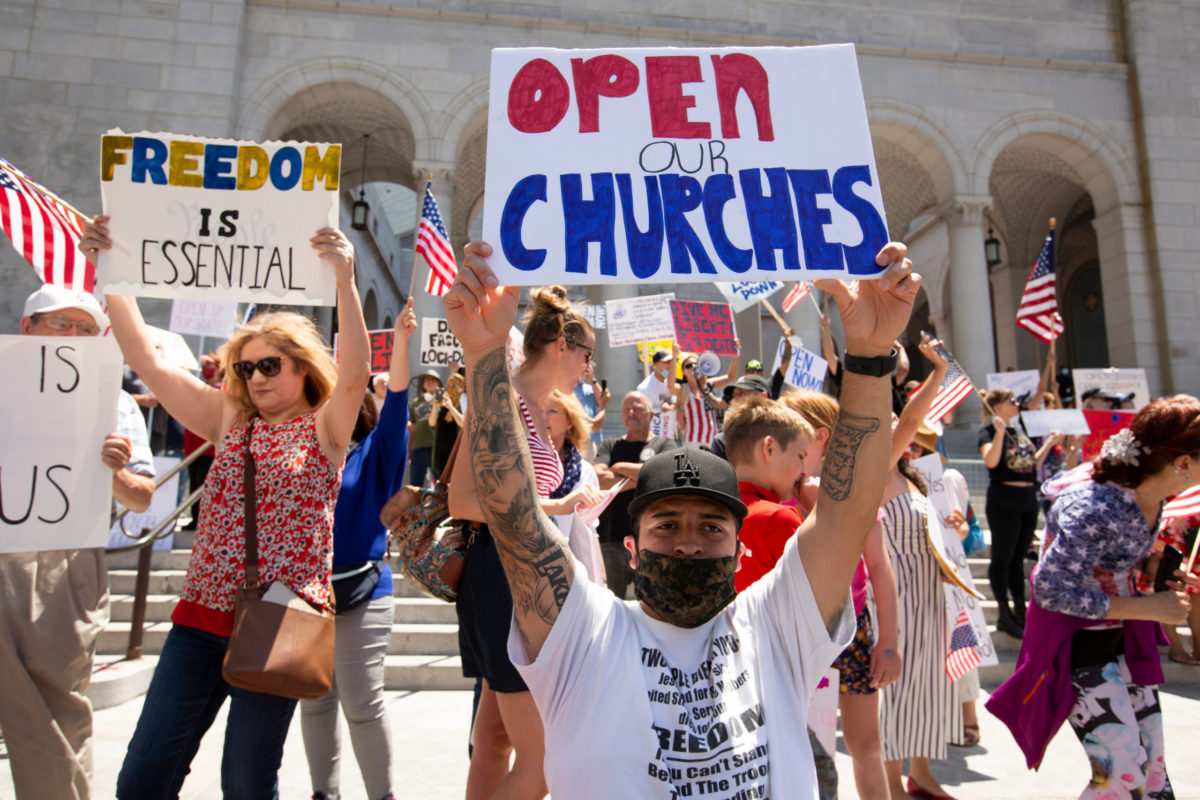
The Supreme Court seems poised to say that the existence of a secular medical exemption to vaccine mandates means a state must offer a religious exemption.
It is time to step away from this destructive path where nine unelected individuals can decide our fate.
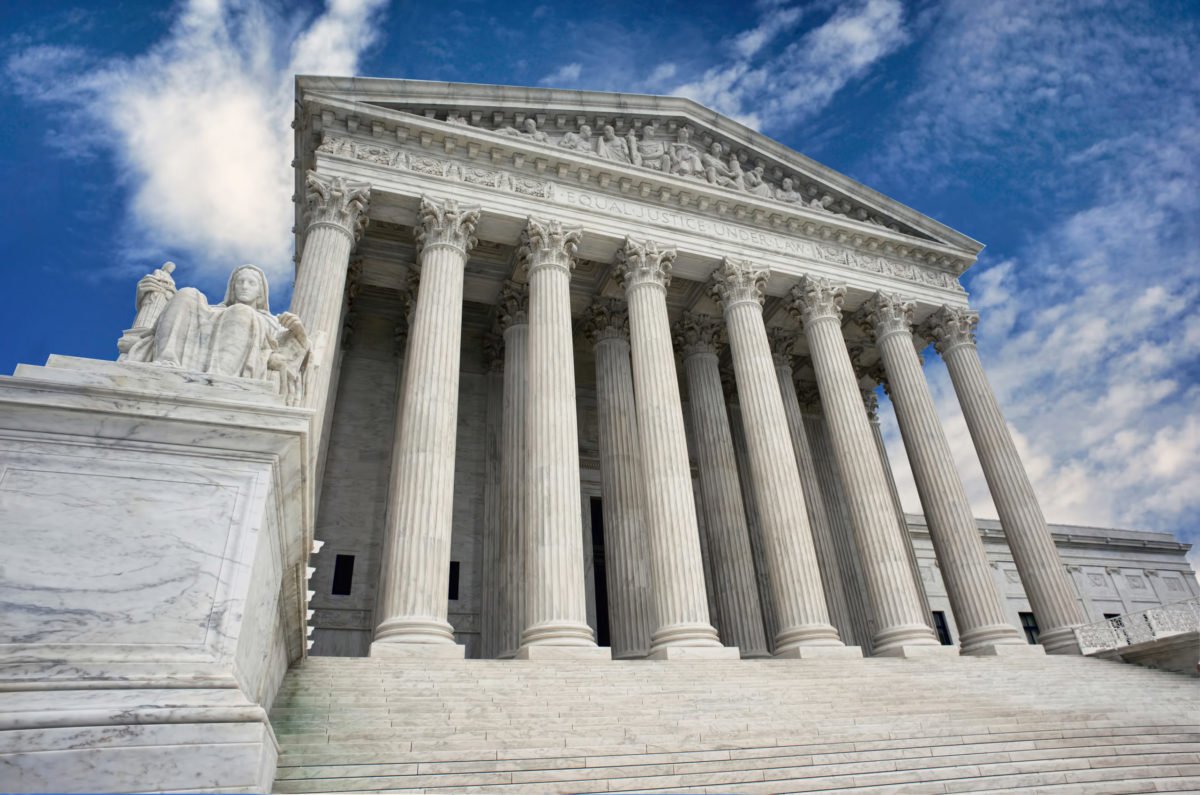
From this hearing we can anticipate substantial strengthening of an individual state’s ability to resist federal regulation.

A doctrine that essentially allows courts to strike down willy-nilly policies that they deem “major” undermines the federal government’s capacity to govern.
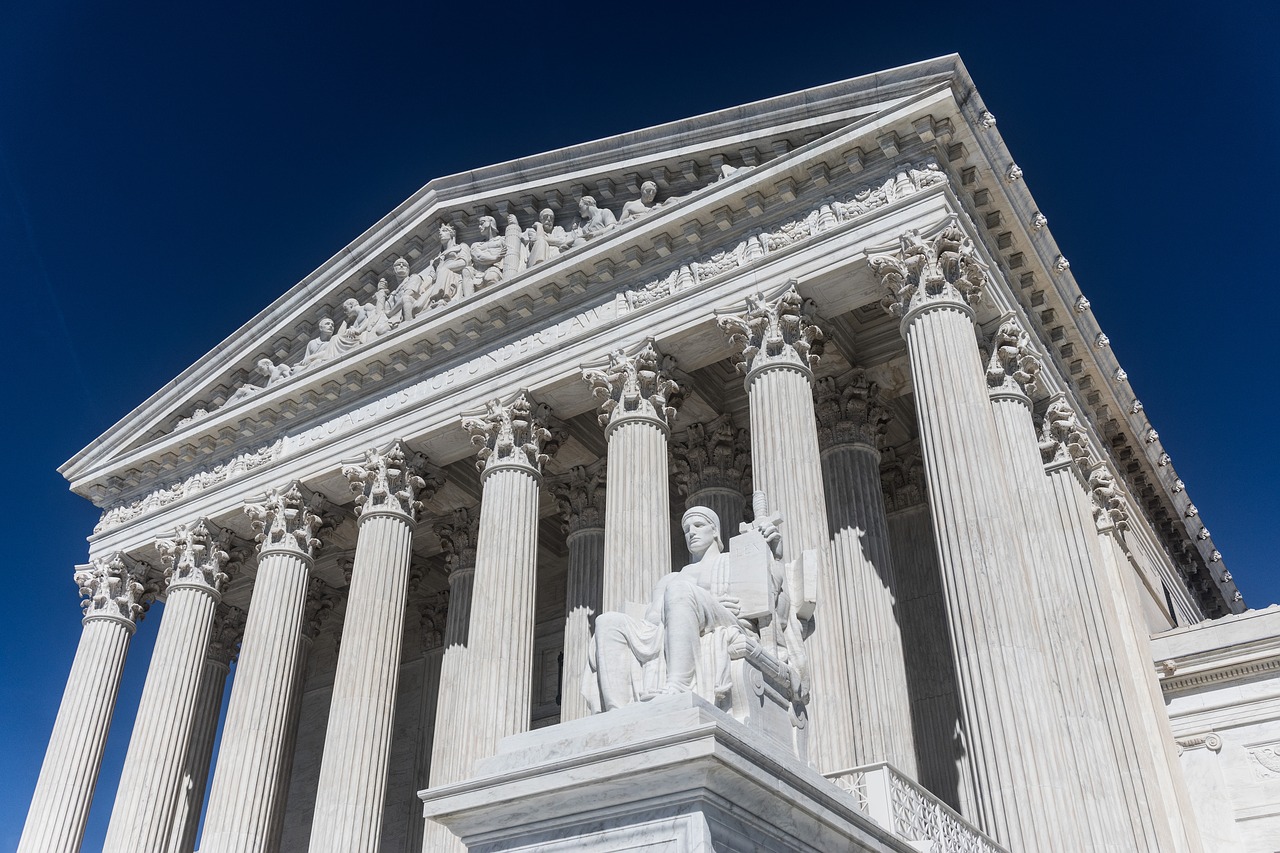
The ruling casts uncertainty over upcoming deadlines for vaccination compliance.

State litigation and legislation has created a landscape of uncertainty surrounding the legal status of the federal COVID-19 vaccine mandate.

The legal basis of Americans’ supposed right to a religious exemption to vaccination is less clear than such policies’ popularity would suggest.
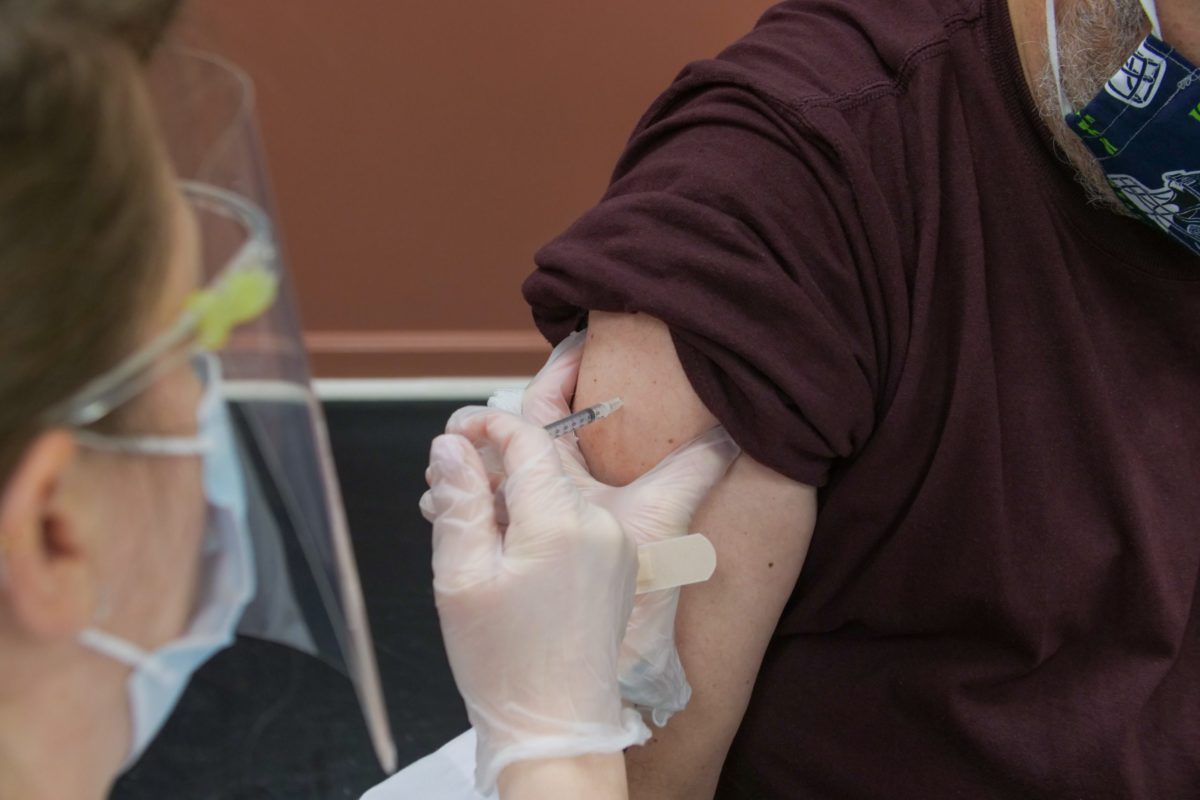
Entities imposing COVID-19 vaccination mandates can take simple but significant steps to counter misuse of medical exemptions.

Granting exemptions on the basis of religion incentivizes people to lie, and exemptions are more likely to be given to people who have lied well.
Now that children over the age of 12 can get vaccinated against COVID-19, will immunization become a requirement for returning to school?