International Pandemic Lawmaking: Conceptual and Practical Issues — Launch Editorial
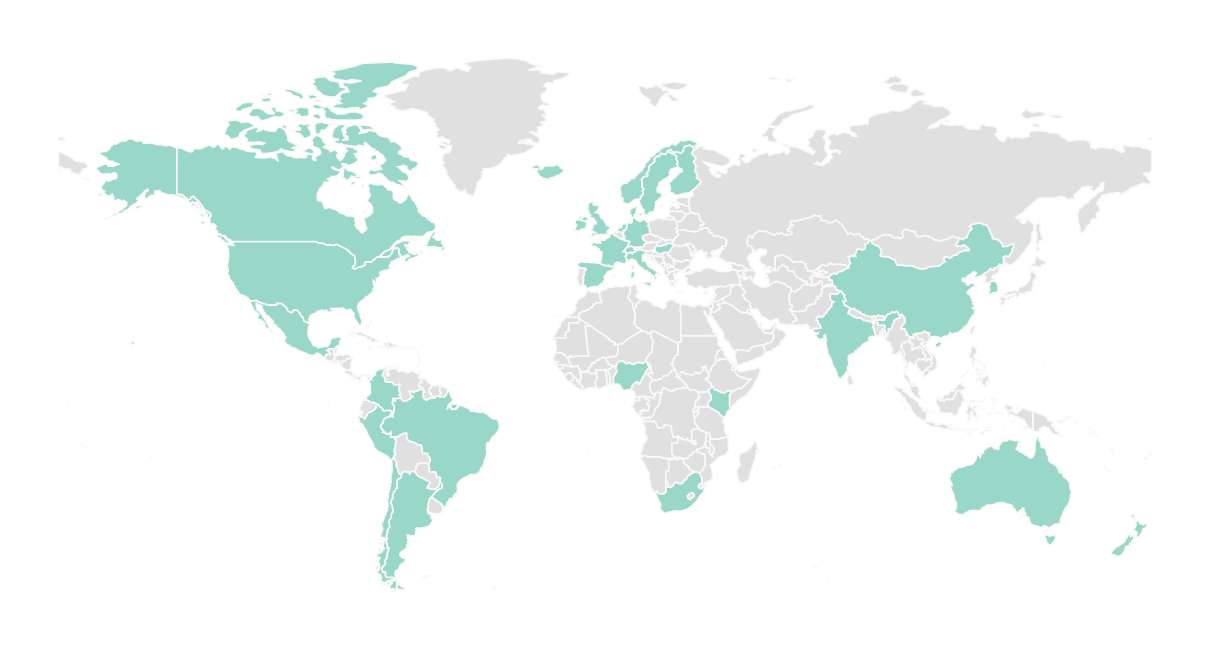
This symposium was convened to shed light on the inequities and imbalances exposed by global pandemic response.
This symposium was convened to shed light on the inequities and imbalances exposed by global pandemic response.
From the founding era, the Mexican constitution has upheld the value of the rule of law, even in extraordinary circumstances.
Growing problems are driven by one overarching institutional factor: a constitutionally unsustainable procedure for decision-making.
The spread of COVID-19 in Nigeria has been paralleled by the spread of misinformation and disinformation about the novel coronavirus.

The greatest take-away may be the role of the law in reflecting and shaping the moral and structural foundations of our democracies.
Policy wise, the measures are similar to those of other European countries. But the legal basis for these restrictions has proven extremely controversial.

South Korea has been hailed for its swift and thorough response to the COVID-19 pandemic. But the response has come at a cost, affecting privacy and rights.

The Argentinian response to COVID-19 has concentrated power in the hands of the Executive, restricted fundamental rights, and militarized public space.
While measures followed existing public health advisories, they have raised significant legal, constitutional, human rights, and legitimacy issues.

Tensions between welfarisms that enable and those that suffocate are evident in Ireland’s move to restrict the spread of the COVID-19 pandemic.