Law & Neuroscience

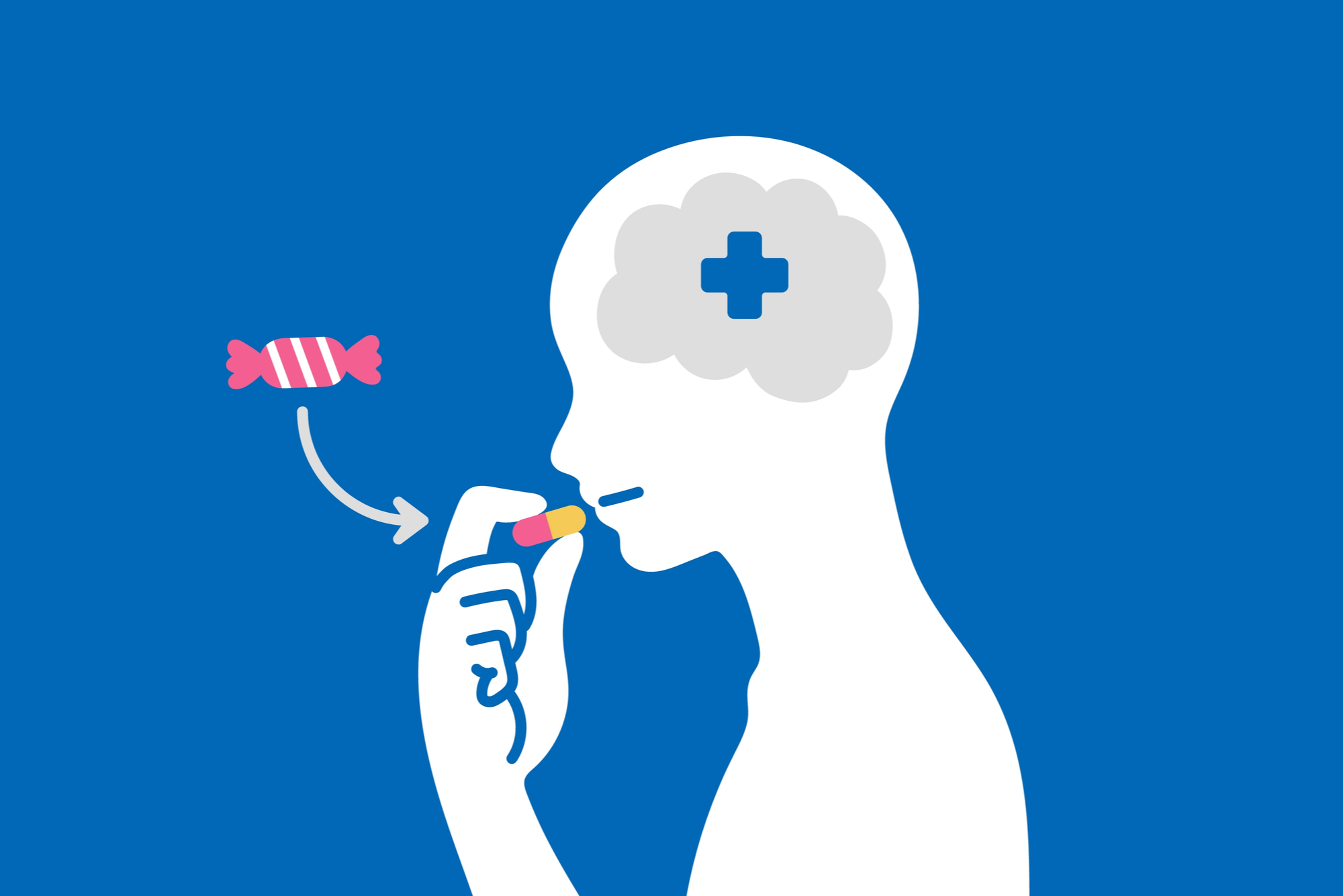
  • Read more: The Science of Addiction

    The Science of Addiction

    Recording

    Event Description Advances in the scientific understanding of addiction have important implications for treatment, policy, and the law. In this panel, Eden Evins, M.D. discussed addiction neuroscience, prognosis, and treatment. Stephanie Tabashneck, Psy.D., J.D. then led a discussion on the role of addiction science in judicial and legal decision making at the intersection of science…

  • Read more: Neuroscience and Cannabis: Implications for Law and Policy

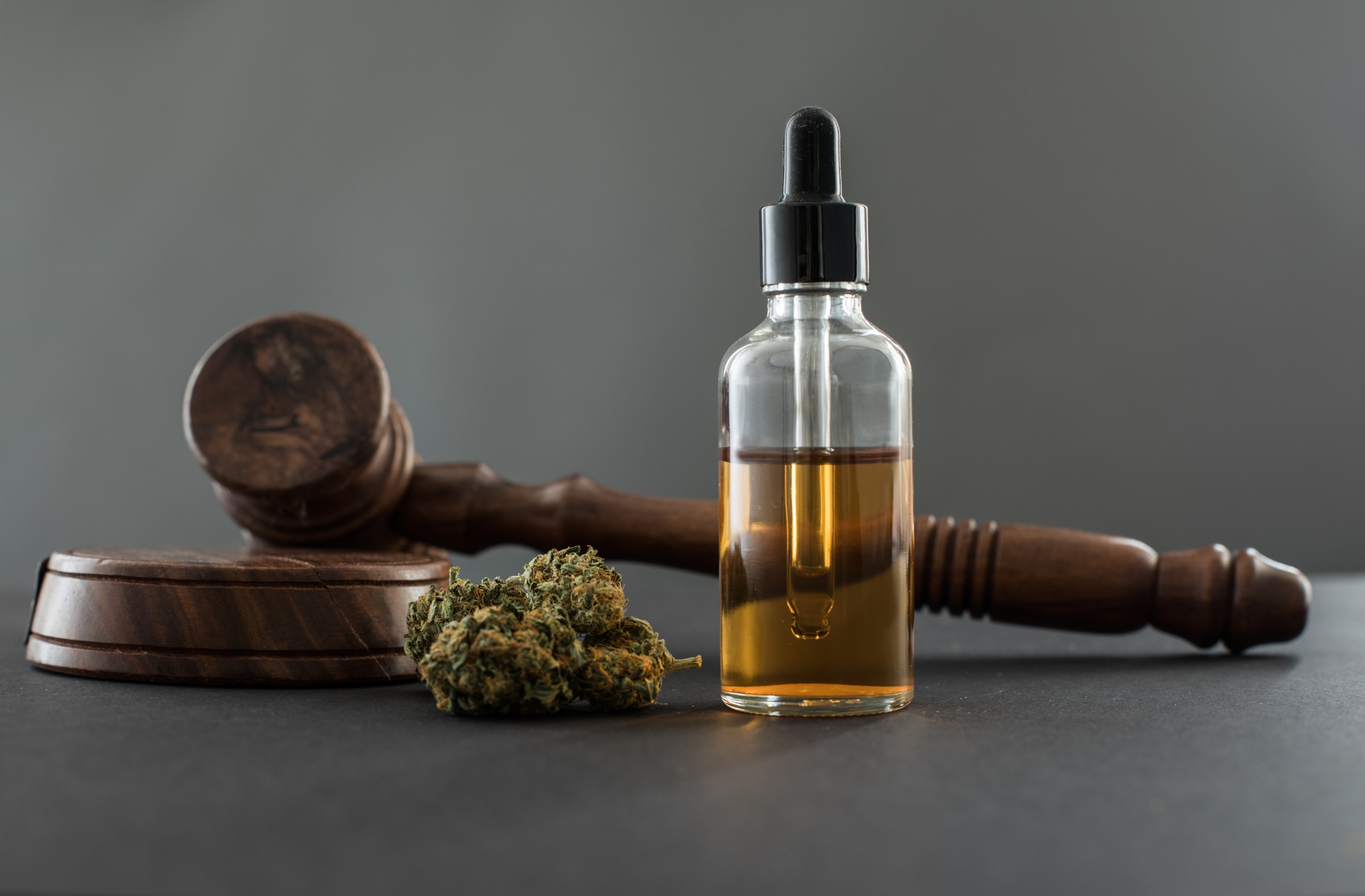
    Neuroscience and Cannabis: Implications for Law and Policy

    Recording

    Event Description The legalization of cannabis has raised significant questions for law and public policy. In this public event, neuroscientist Dr. Yasmin Hurd exploref the science of cannabis, CBD, and the future of substance use disorder treatment. Dr. Stephanie Tabashneck then moderated a discussion and audience Q&A about the implications for law and policy. Panelists Media…

  • Read more: Is Microdosing Just Placebo?

    Is Microdosing Just Placebo?

    People who microdose psychedelics claim that it provides a very wide range of benefits. Is it just a placebo effect?

    Placebo Effect vector illustration blue.
  • Read more: What Macrodosing Can Learn from Microdosing

    What Macrodosing Can Learn from Microdosing

    While standard doses of psychedelics will ostensibly be higher than a microdose, the question of just how much higher should be the topic of debate.

    Dried psilocybe cubensis psilocybin magic mushrooms inside a plastic prescription medicine bottle isolated on white background.
  • Read more: The Criminalization of Addiction: Law, Medicine, and Future Directions

    The Criminalization of Addiction: Law, Medicine, and Future Directions

    Recording

    Event Description In Commonwealth v. Eldred, the Massachusetts Supreme Judicial Court held that a court may order a defendant who is addicted to substances to remain drug free as a condition of probation and that if a defendant tests positive for an illegal substance, the defendant may be found in violation of his or her…

  • Read more: Families, Substance Use Disorder, and the Courts: Is Compassion Consistent with Accountability?

    Families, Substance Use Disorder, and the Courts: Is Compassion Consistent with Accountability?

    Recording

    Event Description How can family law support parents and their children when a parent has a substance use disorder? One in eight children live in a home with a parent with a substance use disorder. Most of these children are under the age of five. This discussion examined innovations in family law contexts, such as…

  • Read more: Neuroscience and Criminal Law: The Post-Jones Landscape for Late Adolescents and Emerging Adults

    Neuroscience and Criminal Law: The Post-Jones Landscape for Late Adolescents and Emerging Adults

    Recording

    Event Description The U.S. Supreme Court landmark case of Roper v. Simmons (2005) barring execution for crimes committed prior to age 18 launched a line of cases extending Eighth Amendment protections for juveniles. These cases clearly established that children are not little adults. The April 2021 SCOTUS decision in Jones v. Mississippi appears to signal a shift from federal…